Space

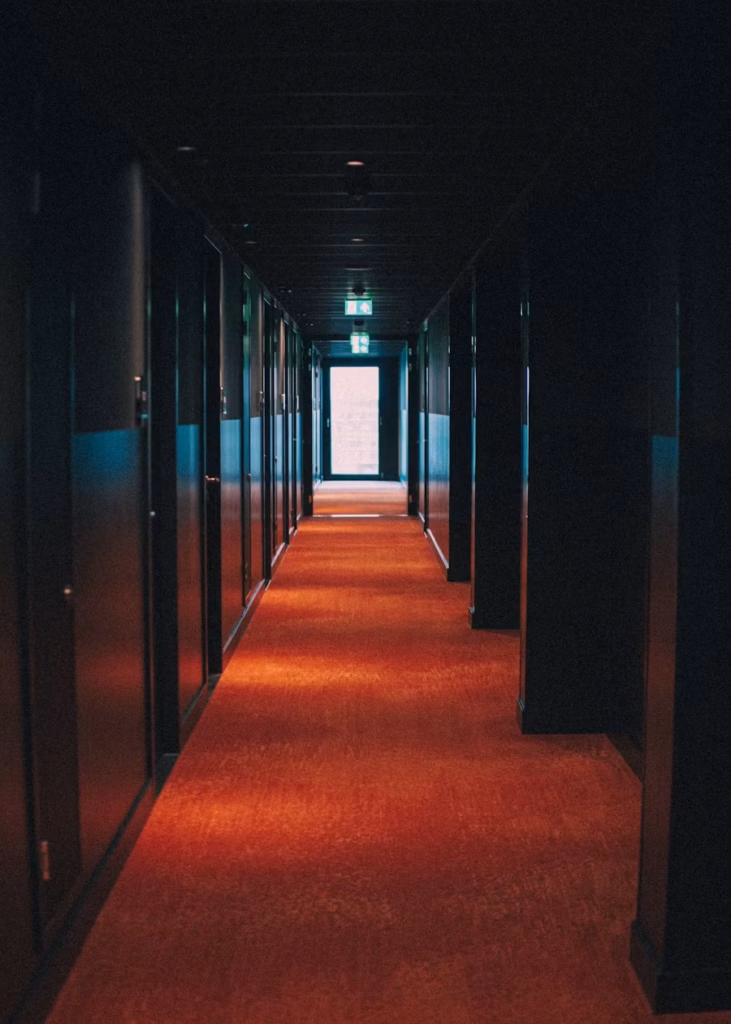
The Architecture of Unease — How Buildings Shape What Happens Next

A corridor. Fiction does not place characters in rooms simply to describe the space. It places them there because the space shapes what they can do next.  A corridor that feels longer than it should. A stairwell where sound arrives slightly out of phase with movement. A doorway that interrupts action before intention fully forms. […]

The Architecture of Unease — How Buildings Shape What Happens Next Read More »
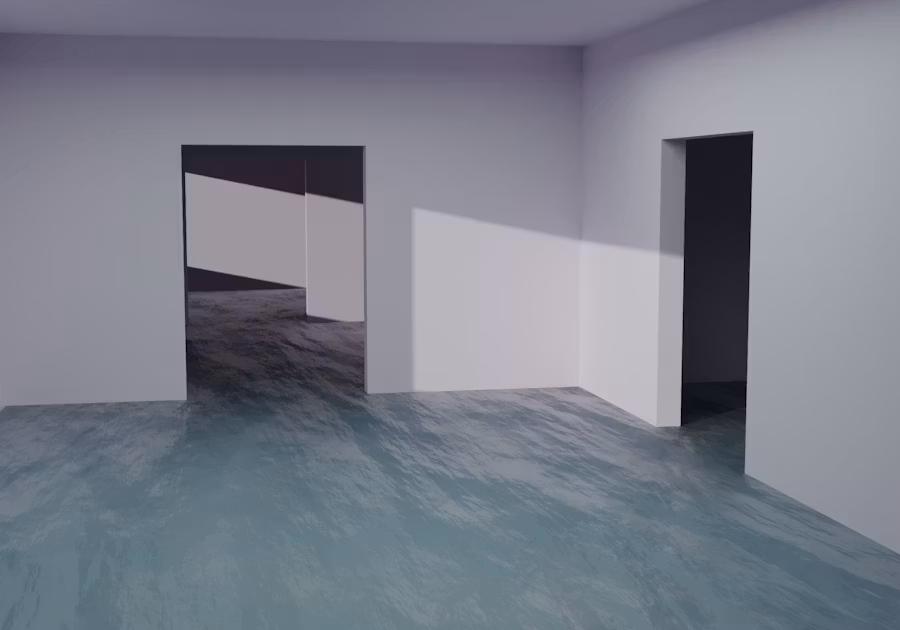
Reading a Room: The Silent Instructions of Interior Space

Every room tells you how to behave in it. Not verbally, of course. But through a thousand small instructions encoded in its furniture, its lighting, its layout, and its condition. The high-ceilinged office with the large desk at the far end instructs you to be deferential. The cluttered kitchen with mismatched chairs instructs you to

Reading a Room: The Silent Instructions of Interior Space Read More »

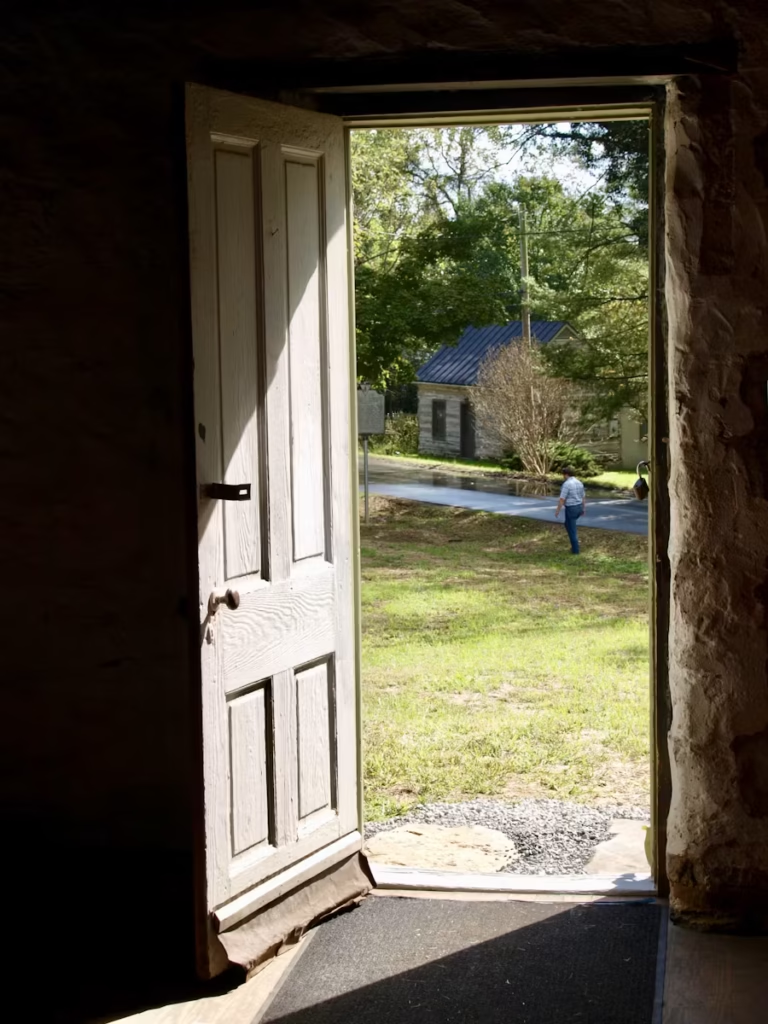
The Grammar of Thresholds: What Doorways Actually Mean

Thresholds are never truly neutral. A doorway appears on the surface to be a simple architectural feature consisting of a frame, a hinge, and a basic passage from one room to another; yet, we rarely cross one entirely unchanged. Every threshold marks a profound transition where inside becomes outside, public space becomes private, and the

The Grammar of Thresholds: What Doorways Actually Mean Read More »