ayokunledavidcross@gmail.com

Writing Place: Turning Your Local Area into Fiction

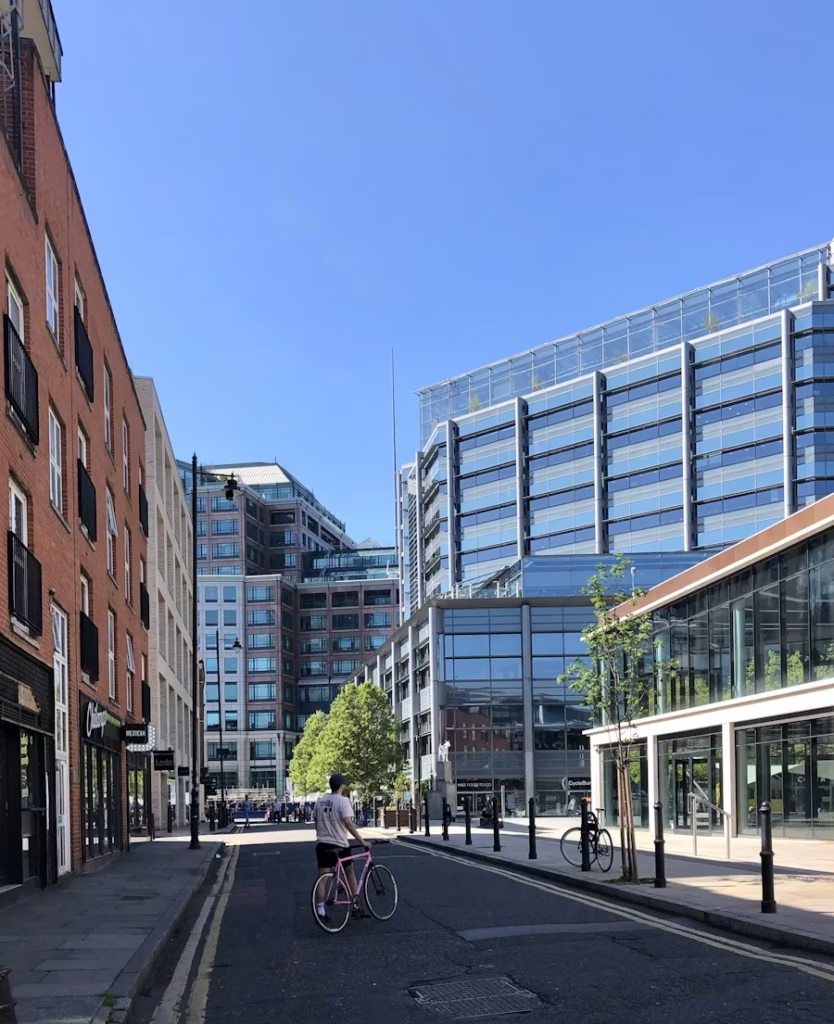
​Fiction does not begin with geography simply to describe where events happen. Rather, it begins with geography because something inherent in the ground has already started shaping what can unfold above it. When I first began writing, I did not start with place. Like many authors, I began primarily with movement: characters crossing rooms, conversations […]

Writing Place: Turning Your Local Area into Fiction Read More »
The Self That Selects Itself:  Identity as a Filtering System Under Pressure

There is a moment in every life when the self stops feeling like something you are and starts feeling like something you are actively producing. Not discovering. Not expressing. Producing. Not in theory, but in micro-moments: A joke begins and is cut mid-sentence. A hand lifts, then retracts before the gesture completes. A word is

The Self That Selects Itself:  Identity as a Filtering System Under Pressure Read More »

The Architecture of Unease — How Buildings Shape What Happens Next

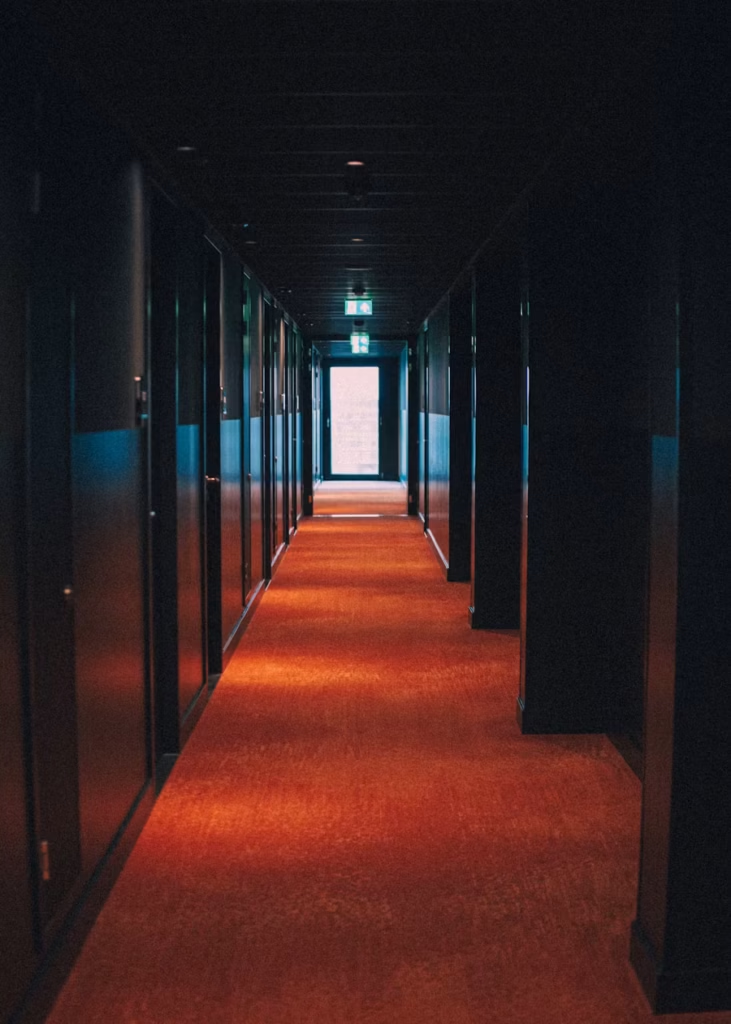
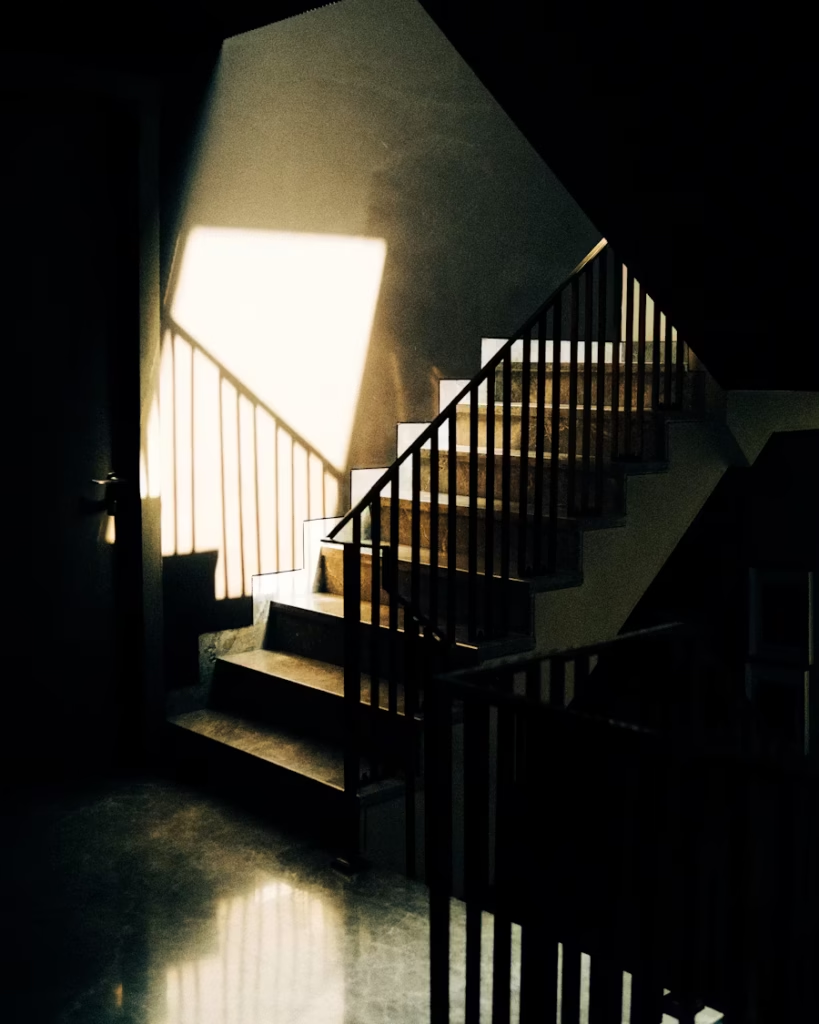
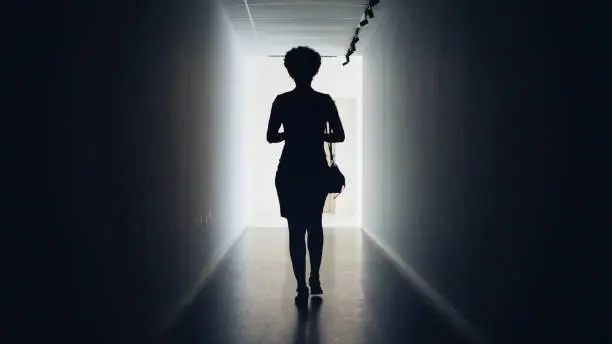
A corridor. Fiction does not place characters in rooms simply to describe the space. It places them there because the space shapes what they can do next.  A corridor that feels longer than it should. A stairwell where sound arrives slightly out of phase with movement. A doorway that interrupts action before intention fully forms.

The Architecture of Unease — How Buildings Shape What Happens Next Read More »

Reading a Room: The Silent Instructions of Interior Space

Every room tells you how to behave in it. Not verbally, of course. But through a thousand small instructions encoded in its furniture, its lighting, its layout, and its condition. The high-ceilinged office with the large desk at the far end instructs you to be deferential. The cluttered kitchen with mismatched chairs instructs you to

Reading a Room: The Silent Instructions of Interior Space Read More »

The Weight of What We Carry: Objects as Silent Witnesses in Fiction

A silver ring turned between fingers in the dark. A photograph is folded and unfolded until the edges soften. A compass carried across borders long after its bearings can no longer be trusted. Objects enter fiction quietly, but they rarely remain quiet. They absorb pressure. They accumulate memory. They carry what language cannot hold. The

The Weight of What We Carry: Objects as Silent Witnesses in Fiction Read More »

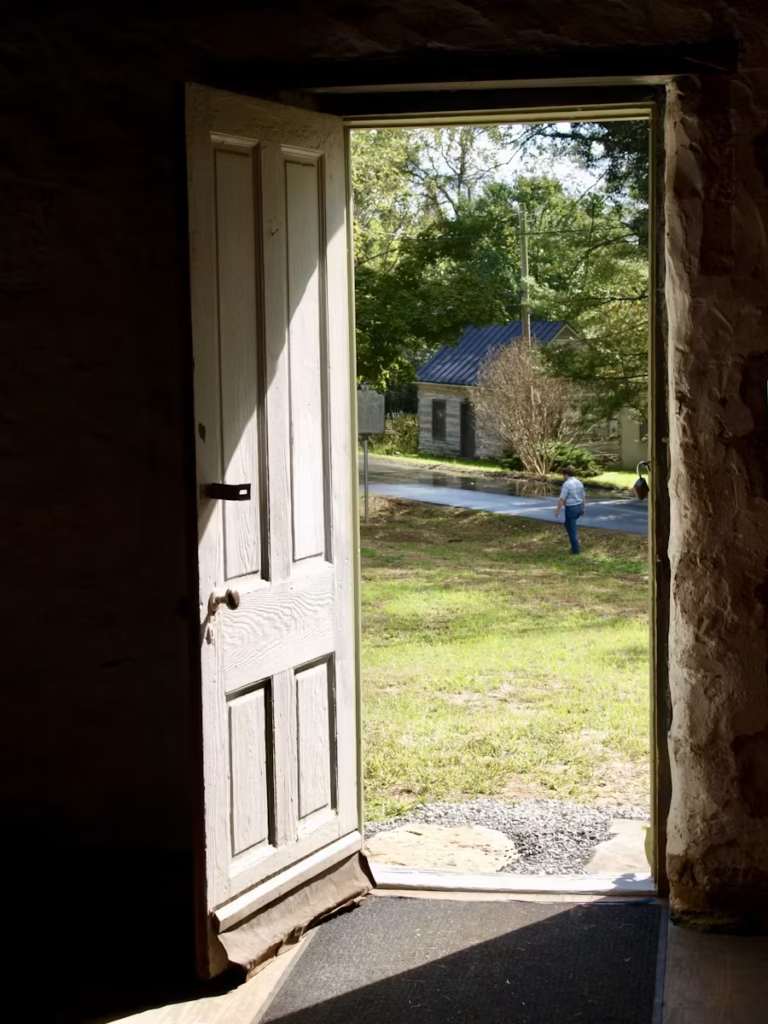
The Grammar of Thresholds: What Doorways Actually Mean

Thresholds are never truly neutral. A doorway appears on the surface to be a simple architectural feature consisting of a frame, a hinge, and a basic passage from one room to another; yet, we rarely cross one entirely unchanged. Every threshold marks a profound transition where inside becomes outside, public space becomes private, and the

The Grammar of Thresholds: What Doorways Actually Mean Read More »